A sharp neckline used to mean juggling clippers in the bathroom mirror on a Sunday night. I remember a client, an investment analyst who traveled two weeks a month, telling me his beard line drifted lower with every rushed hotel shave. Two laser sessions later his barber had a clean template to follow, and his morning routine shrank to warm water and a blade for the cheeks. That is the quiet power of a well planned laser hair removal treatment. It is less about vanity than about giving time back, preventing bumps, and creating clean lines that stay put.
Men approach laser hair removal for different reasons. Some want to tame an aggressive neck beard that inflames the skin under a dress shirt. Others deal with ingrown hairs on the jaw or back. Athletes look for easier hygiene across the chest and shoulders. A few want a full back cleared before summer and do not want to think about it again for years. The technology has matured to handle coarse hair, darker complexions, and broad body areas safely when used by a trained professional. The key is matching devices and settings to the individual, then committing to a session plan that respects the hair growth cycle.
How laser hair removal actually works
Laser hair removal therapy targets melanin in the hair shaft and the follicle. The device delivers a measured pulse of light, which converts to heat in the pigment and disrupts the follicle’s ability to grow. Only hairs in the active growth phase are vulnerable, which is why you need multiple laser hair removal sessions spaced apart. On the face, growth cycles are shorter, often requiring visits every 4 to 6 weeks. On the back and chest, intervals run longer, often 6 to 10 weeks.
The goal is permanent hair reduction, not an immediate hairless finish. After a medical grade laser hair removal series, many men see 70 to 90 percent reduction in treated areas. Some fine regrowth is common in the years ahead, particularly influenced by hormones and genetics. Maintenance sessions once or twice a year can keep results crisp.

Devices that work best on men’s hair
Men’s hair tends to be thicker and denser, particularly on the beard, shoulders, and back. That calls for serious devices, consistent cooling, and thoughtful parameters. Four technologies show up most often in a clinical laser hair removal setting:
- Diode laser hair removal: Highly versatile, strong penetration, and usually my first choice for coarse hair on the body. Modern handpieces offer contact cooling that keeps skin comfortable while delivering robust energy. Diode systems often excel on Fitzpatrick skin types II to IV, with newer machines safely treating even darker skin with the right settings. Alexandrite laser hair removal: Favored for light to medium skin with dark hair because it is efficient and fast. It targets melanin aggressively, which is why providers must be cautious on deeper skin tones to avoid pigment changes. Nd:YAG laser hair removal: The safer bet for dark skin tones, because it targets deeper structures with less interaction in the epidermis. It is also excellent for large vessels, but here we use it to reach the follicle while minimizing risk of hyperpigmentation. IPL hair reduction: Not a laser, but a broad spectrum light. IPL can soften fine to moderate hair and is common in cosmetic laser hair removal spa settings. When hair is very coarse or skin is darker, I steer men to true lasers. IPL may still have a role for residual fuzz after a primary series with a diode or alexandrite device.
The best laser hair removal option is not a brand name but the right wavelength, fluence, pulse duration, and cooling matched to your skin color and hair thickness. A skilled laser hair removal specialist will spot differences in density across a single back and adjust settings or even devices accordingly. On a light skinned man with jet black neck hair, alexandrite at moderate fluence with short pulse width can give a crisp edge. On a man with type V skin and dense shoulder hair, Nd:YAG at longer pulse durations with integrated cooling is safer and effective.
Mapping the male body: area by area
Necklines and beard shaping: This is where many men start. A laser hair removal procedure can clear the low neck under the jaw and the scruff laser hair removal near me SafiraMD Medical Aesthetics & Wellness Center that creeps onto the Adam’s apple. For those who want a defined cheek line, we treat the stray hairs high on the cheekbones while leaving the beard core intact. Expect 6 to 8 sessions for stable outlines. The benefit is twofold, less shaving irritation and a consistent, barbershop clean line even after a weekend off the razor.

Face laser hair removal for upper lip or chin is less common in men who keep a full beard, but targeted work for ingrown hairs around the corners of the mouth can be life changing if you battle recurrent folliculitis. With facial work, settings are gentler to protect sensitive skin, and we often blend diode and Nd:YAG treatments based on complexion.
Shoulder laser hair removal: Shoulder hair can feel patchy and stubborn. It also catches the sun first, so planning is important. Untanned skin responds best. I like to treat shoulders and upper arms together so the transition looks natural in a T shirt.
Back laser hair removal: A full back is one of the highest value services for men. Sessions take anywhere from 20 to 45 minutes depending on density and width. With a coarse back, eight to ten sessions is a realistic plan, often with a booster at the one year mark. Many men combine the back with the back of the neck and shoulders to avoid a sharp edge at the trapezius.
Chest and stomach laser hair removal: Chest hair varies wildly. Some men want a full clear. Many ask for a reduction, not removal, which is very achievable with careful energy dialing. You can thin the field by 50 to 70 percent so it lies flatter, while preserving a natural look. Stomach hair tends to respond faster than chest, usually in six to eight sessions.
Underarm laser hair removal: Quick, predictable, and a good test drive if you are new. The area is small, so you feel the sensations for just a few minutes. Sweat glands are unaffected, but odor can improve because there is less hair to trap moisture.
Arms and legs: For athletes, cyclists, and swimmers, leg laser hair removal reduces friction and makes taping easier. Arm laser hair removal is often partial, focusing on the forearm or that band of hair around the lower biceps that pokes out from a polo shirt.
Bikini or groin: Yes, men request it, sometimes for hygiene, sometimes because of chronic ingrowns. A professional laser hair removal clinic will discuss anatomy, positioning, and what is in or out of scope during the laser hair removal consultation. Expect conservative energies to minimize swelling in a sensitive zone.
What it feels like, and how fast it goes
Imagine a quick elastic snap paired with a burst of cool air or a chilled sapphire window. That is a typical pulse during advanced laser hair removal. Most men describe facial passes as more noticeable than the back or chest, because nerves are denser. With high quality cooling and a steady operator, sessions are tolerable without numbing for most body areas. For dense beards or the pubic region, a thin layer of topical anesthetic applied 30 to 45 minutes prior can help. Ask whether your laser hair removal center offers this, and if so, how they manage timing.
Session length varies. A neckline touch up can be 10 minutes. A full back plus shoulders can be 40 minutes. Full body laser hair removal is possible in staged appointments, but splitting it into upper and lower body on different days tends to produce better comfort and consistency. The treatment is quick relative to waxing, and there is no stickiness afterward.
Preparing for a safe, effective appointment
- Shave the area 24 hours before your visit, leaving a narrow outline unshaved if we are sculpting a beard or neckline so your provider can see the desired border. Avoid tanning and self tanners for 2 to 3 weeks, especially on the shoulders and back. The more contrast between hair and skin, the better. Pause retinoids or strong acids on facial areas for at least 3 days before face laser hair removal to reduce irritation. Disclose medications, especially isotretinoin, antibiotics that increase photosensitivity, and herbal supplements that bruise easily. Arrive with clean, product free skin. No deodorant for underarm laser hair removal until after treatment.
Every provider has a pre care sheet. Read it. If you are prone to cold sores and you are treating the lip or chin, ask about antiviral prophylaxis. If you had recent waxing, wait 2 to 3 weeks. Waxing pulls the bulb, which is the very target we need for an effective pass.
What happens during the appointment
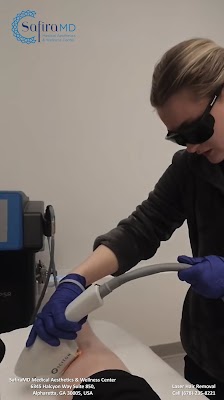
First, paperwork and a brief review of your health history. A good laser hair removal dermatologist or nurse practitioner will assess your Fitzpatrick skin type, examine the hair caliber, and sometimes do a small test spot. Protective eyewear goes on. The handpiece touches the skin, you feel the cool tip, and the device emits rapid pulses. A medical assistant may apply a clear gel depending on the technology. Larger areas are sectioned and tracked so coverage is complete. Sometimes there is a subtle charred hair smell, a normal byproduct of singed stubble.
Post pulse, the skin may show perifollicular edema, tiny goose bump like rings around each hair follicle. That is a sign we reached the target. Redness fades within hours for most. On the neck and beard, it can last a day. Hair that was in growth phase ejects over a week or two, which people sometimes mistake for new growth. It is actually the treated hair shedding.
How many sessions, and when you see results
On average, men need 6 to 10 sessions for coarse body hair and 8 to 12 for dense facial hair. If your goal is a reduction rather than total clearance, you may be satisfied earlier. You should see a meaningful change after the second or third visit. Photos taken in consistent lighting help you track progress. Hormonal patterns matter. If you are in your twenties with a family history of heavy back hair, build maintenance into the plan. If you are in your forties and the density has stabilized, you may hold results with an annual visit or less.
Safety, side effects, and skin of color
When performed by a certified provider with the correct device, laser hair removal is a safe procedure with a strong track record. Common, mild effects include redness, swelling, and temporary sensitivity. Less common issues include blisters, pigment shifts, or paradoxical hypertrichosis, where fine vellus hairs in a border zone thicken. This last event is rare and more often associated with overly low energies on devices that are not ideal for the patient’s skin tone.
For darker skin, Nd:YAG at conservative settings is the workhorse. Avoid clinics that default to IPL on deep complexions for dense hair. Ask to see before and after photos of similar skin. A patch test a week before a full face or chest session is a prudent step if you are sensitive or recently tanned. Men with a history of keloids should have a cautious discussion with a laser hair removal expert before proceeding.
Aftercare that keeps skin calm
- Cool compresses or ice wrapped in a cloth for 10 minutes at a time if you feel heat. Fragrance free moisturizer after showers for two days. Look for glycerin, ceramides, or aloe. Avoid hot tubs, saunas, and heavy gym sessions for 24 hours to reduce irritation risk. Skip exfoliants and retinoids for 2 to 3 days on treated facial areas. Diligent sunscreen on exposed zones, especially neck and shoulders, for a week.
Tiny dark dots that appear a few days after are usually oxidized stubble exiting the pore. Do not tweeze. A gentle washcloth during showers helps the shed along. If you see anything that looks like a burn or blister, send a photo to your clinic promptly for advice.
What it costs, and how to buy smart
Laser hair removal cost varies with geography, provider credentials, and device class. In many U.S. cities, a full back laser hair removal price ranges from 250 to 600 dollars per session. Neck laser hair removal can run 100 to 200 dollars per session. Clinics often offer a laser hair removal package, for example pay for six, get one or two free. That is reasonable as long as the plan includes periodic reassessment and the ability to adjust areas. Beware of deals that seem too cheap from a spa with no medical oversight. The device matters, but the person behind it matters more.
Ask whether the clinic uses medical grade laser hair removal systems with documented maintenance. Confirm who will treat you, their training, and how long they have worked with each technology. If you find yourself searching for laser hair removal near me, follow that with a scan of reviews that mention men’s areas, not just underarm laser hair removal or bikini laser hair removal popular with women. Look for a laser hair removal center that welcomes questions, explains side effects, and shows realistic laser hair removal before and after photos.
Men’s grooming goals: reduce, refine, or remove
Not everyone wants a bare chest. Many men ask for laser hair reduction treatment that leaves a light, uniform pattern. We can dial energy and coverage to thin rather than erase. On beards, reduction is useful for taming the underside of the jaw while keeping fullness on the chin. On legs, cyclists often target the thighs and calves, leaving a natural transition above the knee where shorts sit. Your provider should discuss whether your goal is permanent laser hair removal or a long term solution with more subtle results.
Ingrown hairs and irritated skin
Razor bumps, or pseudofolliculitis barbae, plague many men with curly hair. The curved shaft reenters the skin after shaving and inflames the follicle. Laser hair removal for ingrown hair is one of the most satisfying indications. By reducing the number and thickness of hairs, you remove the trigger. Expect flares to decrease after the first two sessions. During the series, use a gentle benzoyl peroxide wash after workouts and avoid aggressive exfoliation that only worsens irritation.
The reality of pain free claims
You will see painless laser hair removal in marketing. Most men feel some sensation, especially on coarse hair. The goal is tolerable, not zero. Proper cooling and good hand speed keep pulses comfortable. If you are anxious, start with underarm laser hair removal or a small neck patch to build confidence. Communicate during the visit. Providers can adjust pulse duration and energy to balance comfort and efficacy.
Technology keeps improving, but fundamentals win
The latest laser hair removal technology adds better cooling, larger spot sizes that speed sessions, and smarter interfaces that track cumulative energy delivered. Those advances help, but they do not replace experienced judgment. I have seen excellent results with well maintained diode and Nd:YAG platforms more than five years old in practiced hands. I have also seen mediocre outcomes from brand new machines operated by rushed staff. A trusted clinic that prioritizes safe laser hair removal protocols will beat a flashy ad campaign.
Choosing the right provider
When you book a laser hair removal appointment, you are choosing a partner for several months. During your laser hair removal consultation, notice whether the specialist listens to your goals, examines hair in good light, and discusses risks. Ask about:
- Device mix and why a particular wavelength fits your skin and hair. Expected number of sessions and how intervals may change over time. How they handle tanning or schedule around a vacation. What aftercare products they recommend and sell, if any. Their policy if you do not respond as expected after several visits.
A clinic that does a lot of laser hair removal for men will speak your language. They will know about shirt collars rubbing a fresh neck, or how cycling shorts sit on a newly treated thigh, and they will warn you accordingly.
When laser is not the right answer
Blonde, red, gray, or white hair does not respond well to current lasers because there is little melanin to absorb energy. If your beard is salt and pepper, black hairs will thin while white ones remain. Electrolysis becomes the alternative for lighter hairs, a slower but definitive method, especially effective for small zones like the upper lip or a few stubborn cheek hairs. Men with active skin infections, open wounds, or a recent history of isotretinoin should postpone treatment. If your job requires frequent outdoor work and you cannot avoid sun, a fall or winter start will keep skin safer.
Results that last and how to maintain them
After your series, expect a long plateau with reduced density and slower regrowth. Many men forget how prickly their chest felt on day three after shaving because that phase disappears. Shirts glide, collars stop abrading. At the one year mark, check in. If you notice return on the shoulders but not the mid back, schedule a targeted session. This is normal. Hair biology varies by zone. Maintenance is not failure, it is upkeep, similar to dental cleanings after braces do their job.
A note on women, families, and packages
While this guide focuses on laser hair removal for men, many clinics serve couples or families with package pricing. It is common to see a partner book face laser hair removal, underarm laser hair removal, or bikini laser hair removal alongside a man’s back or chest. Coordinating sessions can lower the laser hair removal price for both of you if the clinic offers bundled appointments. Just do not let a deal drive you into an area you do not want treated. Authentic goals beat offers.
Practical next steps
If you are considering professional laser hair removal, take two photos of the area you want treated in bright, indirect light. Note how often you currently shave or trim, and how many minutes it takes weekly. That gives you a baseline and a way to judge value. Search for a laser hair removal clinic with medical oversight, request a consult, and bring your photos. Ask for a test patch if your skin is darker or you have a history of sensitivity. Plan around sun, weddings, beach trips, and big races so your schedule supports good intervals.
A refined neckline that stays crisp without razor burn, a back that does not demand weekly clippers, shoulders that stop peeking over a T shirt, these are small upgrades that compound. The right plan, the right device, and a provider who treats you like a long term project, not a one time sale, will get you there.